

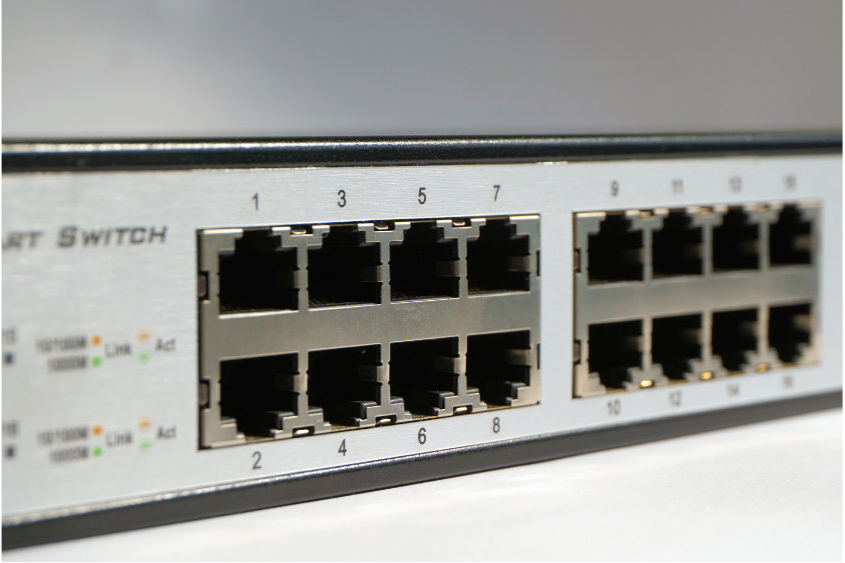
What is air gap?
Air gap is a security measure in IT that involves isolating a system from external networks, reducing the attack surface. The separation can be physical, by not allowing any network connection. Sometimes this is also called dark site. Logical isolation is also sometimes referred to as an air gap. In this case, a network connection is physically present, but access is strictly regulated by encryption and access control methods.
- All KubeOps software solutions are made with air gap scenarios in mind.
- Safe delivery of your secured software packages.
- With a logical air gap, you need to open fewer ports in your firewall, tightening your control over critical systems.
- For physical air gaps, KOSI makes installation much easier, as you can simply deliver KOSI packages via flash drive or DVD.
- Easy and secure cluster management with KubeOps COMPLIANCE, even in air gap environmens.

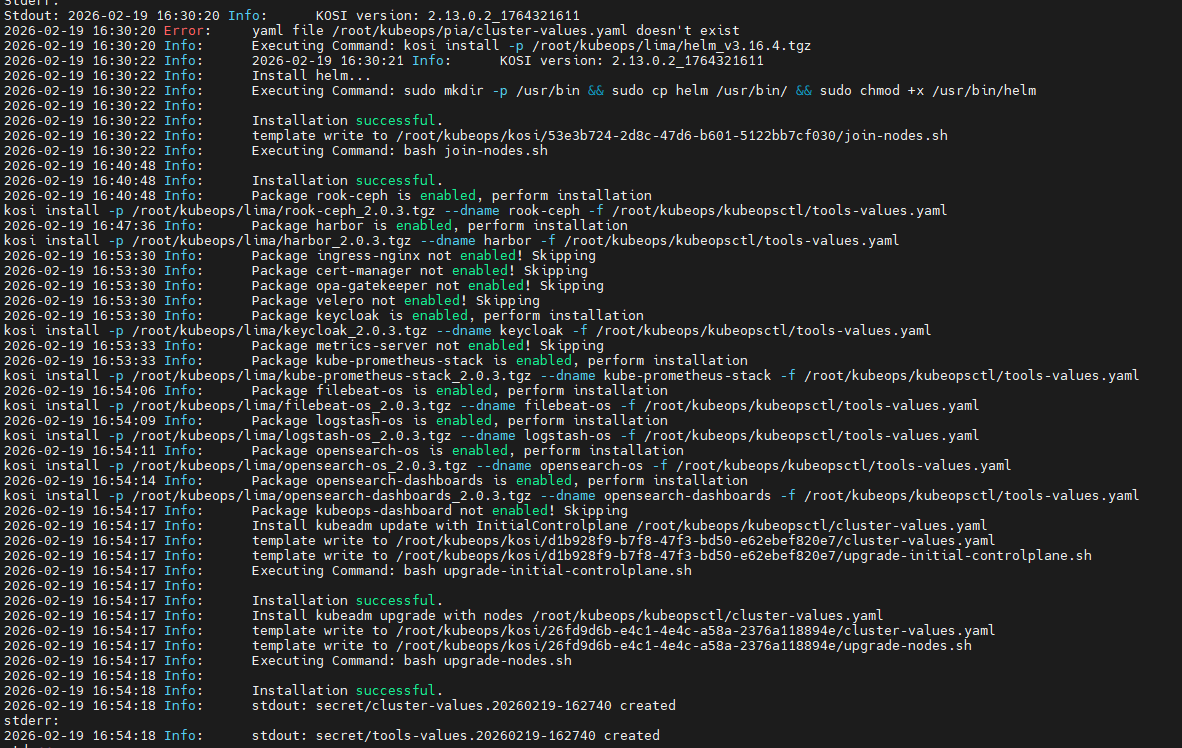
Checksums ensure that the package contains exactly what you want.
KOSI encrypts value files, which store your critical access credentials, such as passkeys.
When using KubeOps, you get your own secure package cloud storage.
Packages can contain all the necessary elements, often called artifacts, required for operation. This avoids external dependencies.
Our solutions are in active development. This means not only new features, but also quick responses to bugs or security concerns.
Plugins and templates can map entire deployment processes into a package. This allows you to put together a single complete package for a complex environment, storing logic and schemas in the package itself. This allows, for example, to select exactly which software is installed on each cluster depending on the operating system.
Get started now and book your free initial consultation!
Want to improve your Kubernetes strategy? Contact us today for a personalized consultation or demo.
